

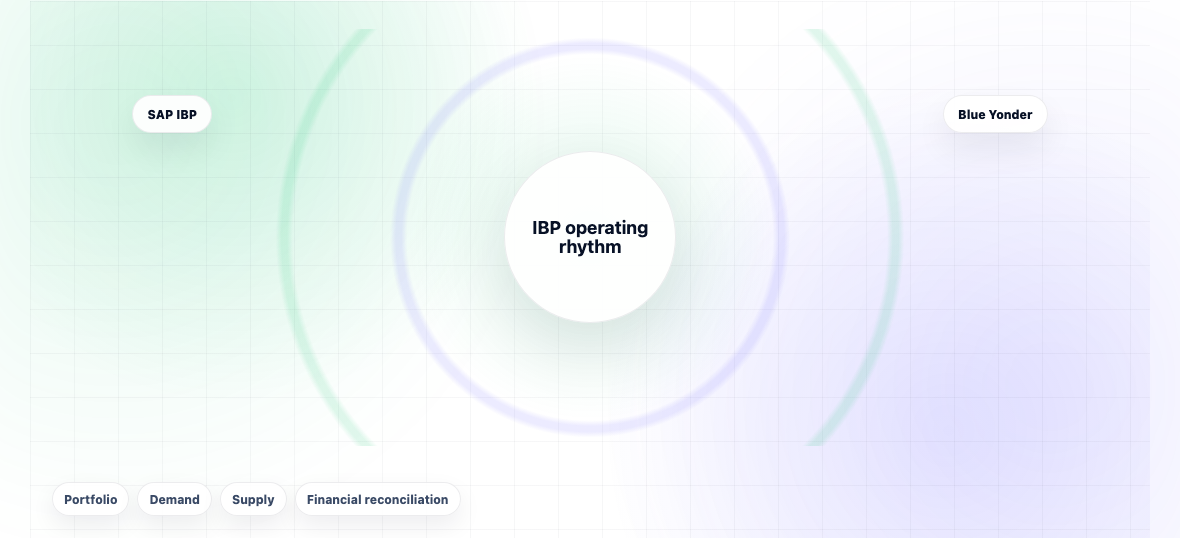
SAP IBP versus Blue Yonder is the comparison that emerges when CPG and retail-heavy enterprises evaluate enterprise platforms. Both serve large CPG operations effectively but optimize for different things: SAP IBP for native SAP ecosystem integration; Blue Yonder for CPG-specific depth and execution platform integration.
The decision typically depends on SAP ecosystem investment depth and CPG specialization needs. SAP-centric CPG enterprises with mature SAP investment often find SAP IBP delivers value through native integration that Blue Yonder's ERP-agnostic approach can't match. CPG enterprises with mature retail relationships and trade promotion management needs often find Blue Yonder's industry-specific depth more valuable than SAP integration breadth.
Author :
Ben Van Delm
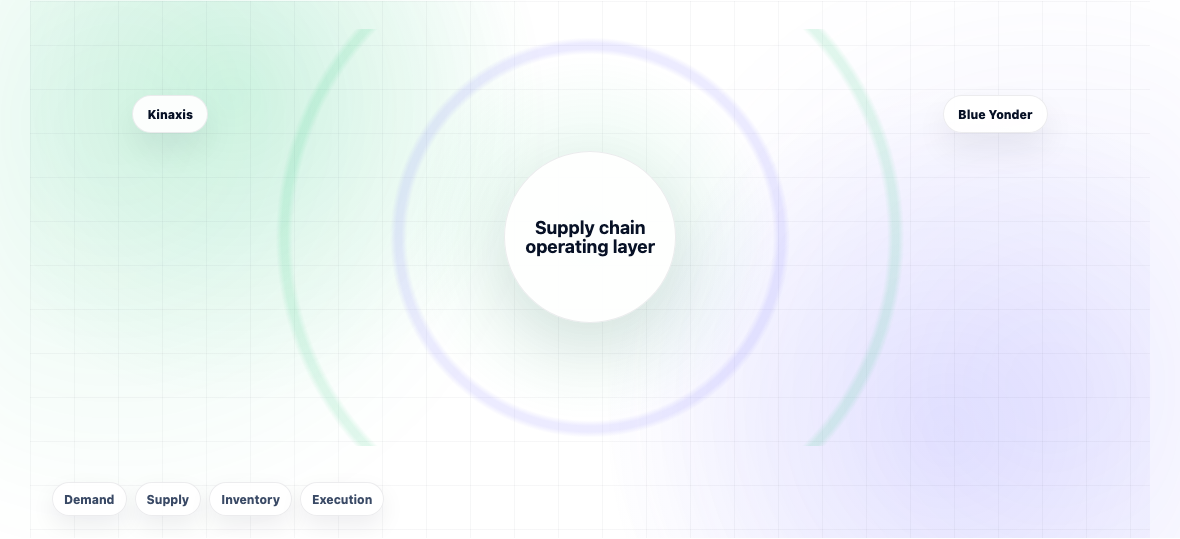
Blue Yonder versus Kinaxis is the comparison enterprise buyers face when both platforms appear on the shortlist. Both are 2026 Gartner Magic Quadrant Leaders. Both serve Fortune 500 manufacturers. But they optimize for different things: Blue Yonder for CPG and retail-heavy operations with deep execution platform integration; Kinaxis for multi-industry, multi-region concurrent planning.
The decision often comes down to industry fit and integration scope. CPG and retail-heavy enterprises typically benefit from Blue Yonder's industry-specific depth. Non-CPG enterprises (automotive, electronics, aerospace, industrial) typically benefit from Kinaxis's multi-industry concurrent planning capability.
Author :
Ben Van Delm
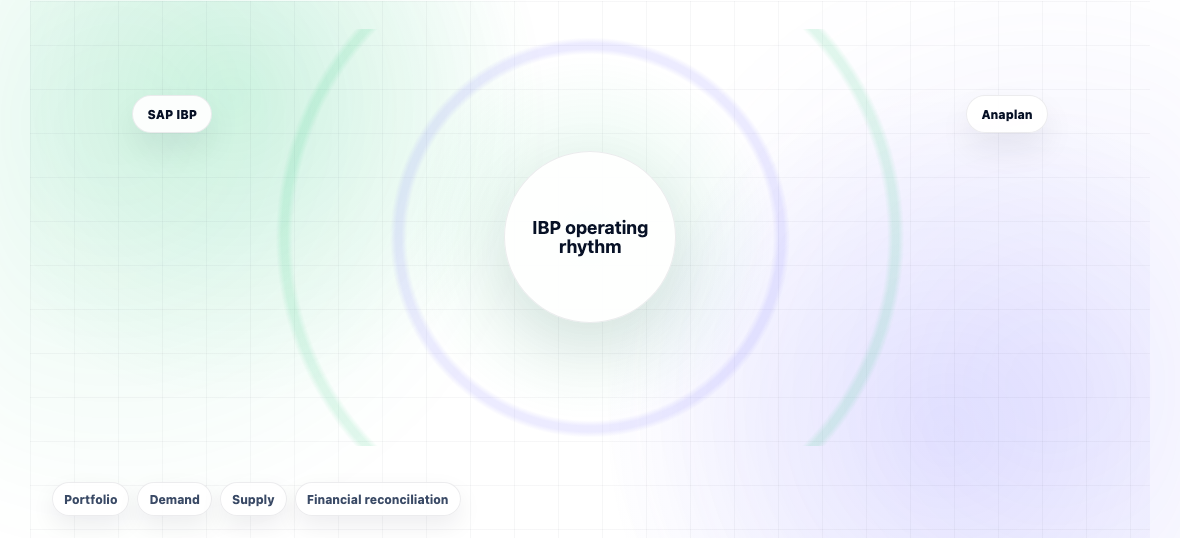
Anaplan versus SAP IBP is fundamentally a question about who owns planning. Anaplan optimizes for finance-led connected planning across functions (finance, supply chain, sales, HR); SAP IBP optimizes for supply-chain-led planning with native SAP financial integration. The comparison often reveals organizational realities about planning ownership rather than just software preferences.
Both platforms work in supply chain planning, but they're built around different ownership models. Picking the wrong one for your organization's actual planning ownership leads to misfit deployments where the platform fights the organizational reality. This page covers the comparison honestly with attention to ownership model as the primary decision factor.
Author :
Ben Van Delm
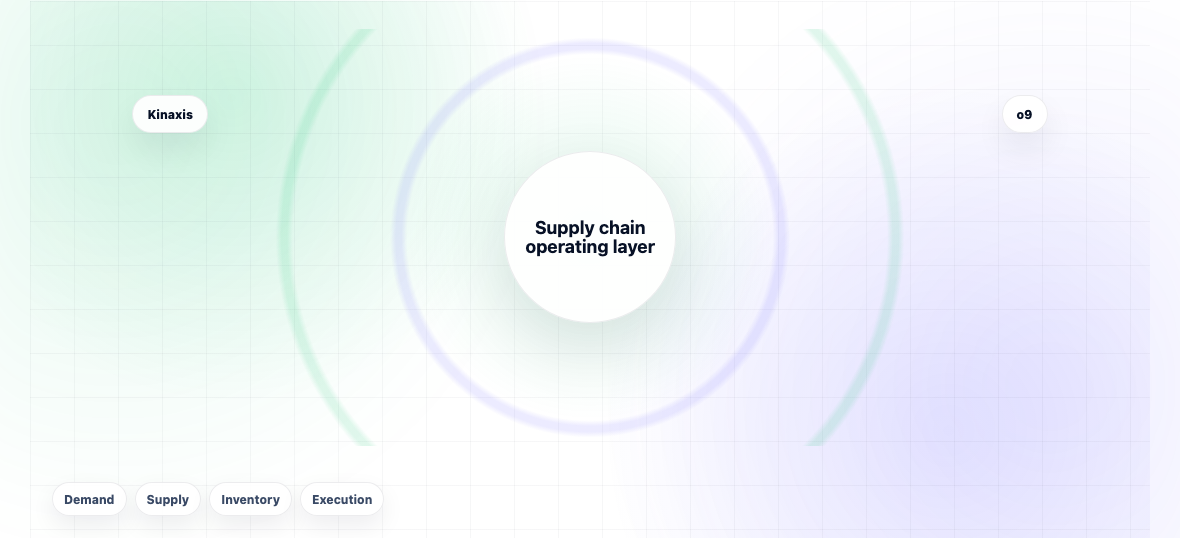
Kinaxis versus o9 is the comparison that emerges when enterprise buyers want AI-driven supply chain planning at scale. Both are credible enterprise platforms with strong AI positioning, but they take genuinely different architectural approaches: Kinaxis layers AI on top of concurrent planning architecture; o9 builds AI throughout via knowledge graph foundation.
The decision often depends on which architectural approach fits operational reality and data engineering maturity. This page covers the comparison honestly, with a brief note for mid-market buyers who shouldn't be in this evaluation in the first place.
Author :
Ben Van Delm
SAP IBP versus Kinaxis is the most common enterprise supply chain planning comparison. Both are 2026 Gartner Magic Quadrant Leaders, both serve Fortune 500 manufacturers, both deliver integrated demand-supply-inventory planning at enterprise scale. The decision between them often takes 6-12 months of evaluation and represents $2-15M+ in three-year TCO commitments.
The two platforms optimize for different priorities: SAP IBP optimizes for native SAP ecosystem integration; Kinaxis optimizes for concurrent planning architecture across multi-ERP, multi-region operations. The right choice depends primarily on SAP ecosystem investment and architectural preference.
This page covers the comparison honestly with one additional note: a meaningful share of buyers researching this comparison are actually mid-market manufacturers considering enterprise platforms because they appeared on analyst recommendations. If you're under $3B revenue, neither SAP IBP nor Kinaxis may be the right fit — we'll cover that briefly at the end.
Author :
Ben Van Delm
Slimstock (Slim4) is one of the strongest distribution-focused supply chain platforms, particularly in European markets. Established distribution reference base across industrial distribution, MRO, electronics distribution, and wholesale. Strong replenishment workflow design. Native lead time variability handling. Inventory and demand planning integrated for distribution-specific patterns. For pure distribution and wholesale operations, Slimstock often delivers the strongest fit available.
Slimstock fits less well in several common cases: manufacturer-distributors who need integrated planning across both manufacturing and distribution operations, companies with significant manufacturing components requiring BOMs and routings, operations whose needs extend beyond distribution into broader supply chain planning, and US-heavy distribution operations where Slimstock's European reference base is less relevant.
This page is for buyers in those categories. Slimstock is genuinely strong for pure distribution — the question is whether pure distribution is what you actually do, or whether your operations include manufacturing or extended planning needs.
Author :
Ben Van Delm
RELEX Solutions is one of the strongest platforms for retail and CPG operations, particularly in European markets. Modern cloud-native interface, strong retail-grade demand sensing, mature handling of store-level replenishment and promotional planning, and significant European reference base across food retail, grocery, and packaged food. For retail-heavy operations and CPG manufacturers with significant European exposure, RELEX often fits well.
RELEX fits less well in several common cases: non-CPG and non-retail manufacturers where RELEX's specialty isn't a differentiator, US-heavy operations where RELEX's European reference base is less relevant, mid-market manufacturers with mixed channel exposure (some retail, some industrial, some direct), and operations whose primary needs extend beyond retail/CPG-focused capability.
This page is for buyers in those categories. RELEX is genuinely strong for its core market — the question is whether your needs match that core market.
Author :
Ben Van Delm
ToolsGroup is one of the strongest specialist platforms for probabilistic forecasting and inventory optimization — mature probabilistic methods, deep handling of intermittent and lumpy demand, strong inventory-aware planning. For operations with significant intermittent demand patterns (long-tail SKUs, aftermarket parts, slow-moving items), ToolsGroup's probabilistic approach often delivers measurable inventory improvements that traditional methods don't match.
ToolsGroup fits less well in several common cases: operations wanting integrated planning across demand, supply, inventory, and scheduling rather than specialist demand and inventory tools, companies whose primary need is operational planning workflow rather than probabilistic specialty, and buyers wanting modern decision execution that proposes specific actions rather than analytical output.
This page is for buyers in those categories. ToolsGroup is genuinely strong for what it does — the question is whether what it does matches your primary planning needs.
Author :
Ben Van Delm
Logility is one of the most established mid-market supply chain planning platforms — long category presence, mature reference base across consumer goods and packaged food, AI capability through Logility Expert Advisor (LEA), and broad functional coverage from demand planning through S&OP. For mid-market manufacturers wanting a proven platform with significant category presence, Logility is often a credible choice.
Logility fits less well in several common cases: companies wanting more modern architecture and faster deployment cycles, mid-market manufacturers wanting decision execution that proposes specific actions rather than analytical workflow, operations needing stronger AI architecture integrated throughout the platform, and companies whose scale or industry has specific fit patterns better served elsewhere.
This page is for buyers in those categories. Both Logility and Horizon serve mid-market manufacturers, so the comparison is genuinely peer-to-peer rather than scale-mismatched. The framing throughout: which mid-market integrated platform fits which buyer profile best.
Author :
Ben Van Delm
o9 Solutions is one of the strongest AI-driven enterprise supply chain platforms — the only vendor named Customers' Choice in the 2025 Gartner Peer Insights Customers' Choice for Supply Chain Planning Solutions. The knowledge graph architecture supports AI reasoning across complex product-customer-channel-supplier relationships in ways that older planning architectures don't match. For $3B+ global enterprises with rich relational supply chain data and mature data engineering capability, o9 often fits well.
o9 fits less well in several common cases: mid-market manufacturers ($100M-$2B) where o9's enterprise cost and 12-24 month deployment exceed reasonable proportion to scale, operations without mature data engineering capability who can't feed the knowledge graph properly, companies whose primary planning needs are operational depth rather than AI sophistication, and SAP-centric environments where SAP IBP's native integration delivers more practical value.
This page is for buyers in those categories. The framing isn't whether o9 is "good" — it's genuinely strong for the customers it fits. The question is whether you're one of those customers.
Author :
Ben Van Delm

